7 Proven Ways to Reduce Rental Vacancies in Montreal
A vacant apartment still costs money every day it sits empty. Mortgage payments, property taxes, insurance, utilities, snow removal, repairs, and condo fees do not pause just because rent stops coming in.
For Montreal landlords, a short gap between tenants may be normal. A long vacancy often points to something that can be improved: the price, the listing, the condition of the unit, the renewal process, or the way tenants are supported once they move in.
The good news is that many vacancy risks are manageable. With the right systems, landlords can attract stronger applicants, keep good tenants longer, and protect cash flow across changing market conditions.
Here are seven practical ways to reduce rental vacancies in Montreal while maintaining a professional, compliant rental operation.
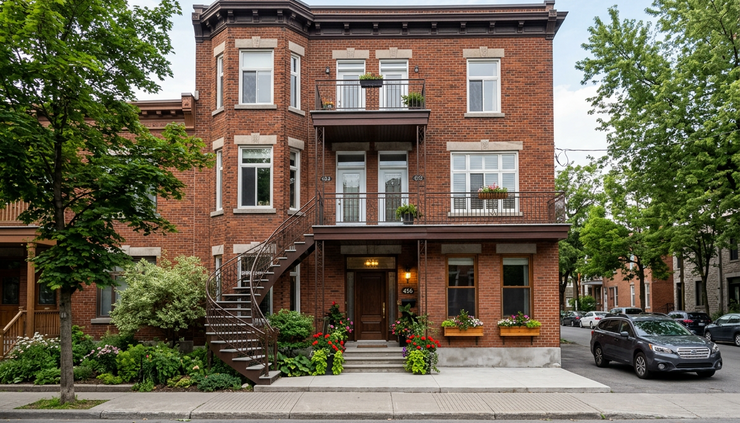
1. Set a competitive rental price
Pricing has a direct effect on how quickly a unit attracts qualified tenants. If the rent is too high for the location, condition, size, and included amenities, the listing may sit untouched while comparable units get rented.
The goal is not always to charge the highest rent possible. The better goal is steady occupancy at a rent that makes sense for the market and complies with Quebec rental rules.
Before listing a unit, compare it with similar properties in the same area. A renovated two-bedroom near a metro station is not competing with an older unit a long walk from transit. Small differences matter in Montreal, including:
Proximity to metro stations, bus lines, universities, hospitals, and major employers
Included appliances, heating, hot water, parking, storage, or internet
Outdoor space, such as a balcony, terrace, or shared yard
Building condition, soundproofing, laundry access, and energy efficiency
Neighborhood demand and seasonal timing
A competitive price can also help landlords avoid the hidden cost of vacancy. For example, holding out for an extra $100 per month may not pay off if the unit stays empty for several weeks. Lost rent adds up quickly.
Landlords should also keep Quebec’s rental framework in mind, especially when setting rent for an existing lease, renewing a lease, or making changes after major work. When in doubt, get qualified advice or consult official Tribunal administratif du logement guidance.
This article is informational only and is not legal or financial advice.
2. Make your listing stand out
Most tenants begin their search online. They may scroll through dozens of listings in one sitting, often making quick decisions based on photos, price, location, and basic details.
A poor listing can make a good apartment look average. Dark photos, missing room dimensions, vague descriptions, and unclear lease terms can reduce inquiries from serious applicants.
A strong rental listing should give tenants enough information to decide whether the property fits their needs before they schedule a visit.
Include:
Clear, bright photos of every main room
Accurate room count and approximate size
Monthly rent and what is included
Heating, hot water, appliances, laundry, parking, and storage details
Transit access and nearby services
Pet policy, smoking policy, and lease start date
Any recent upgrades, such as new flooring, windows, appliances, or bathroom fixtures
Photos matter more than many landlords realize. Open blinds, turn on lights, clean surfaces, remove clutter, and take photos from the corner of each room to show the layout. If the unit is vacant, keep it clean and simple. If it is occupied, coordinate respectfully with the tenant and avoid showing personal items.
Montreal is also a bilingual city. A clear listing in both French and English can help reach more qualified renters, especially in areas with students, international workers, and newcomers.
Good listings reduce wasted time. They attract tenants who already understand the basics and are more likely to be a fit.
3. Respond quickly and make showings easy
A strong listing only works if inquiries get answered quickly. Many tenants contact several landlords at once. If a landlord waits too long, the applicant may already have booked another visit or signed another lease.
Fast response times show professionalism. They also help build trust from the first interaction.
A simple response system can make a big difference. Prepare a short message template with the key details tenants usually ask for, such as:
The available move-in date
The monthly rent and inclusions
The address or nearest intersection
The showing schedule
The application process
Any basic eligibility requirements that follow applicable law
Showings should be easy to arrange. Offer a few time slots, including evenings or weekends when possible. For out-of-province or international applicants, a video walkthrough can help, but it should not replace transparency. Show the actual unit, not only common spaces or a similar apartment.
During a showing, be ready to answer practical questions. Tenants often care about heating costs, noise, laundry, storage, neighbors, building rules, and transit. Clear answers help reduce hesitation.
If the unit is still occupied, coordinate showings with proper notice and respect for the current tenant. A tenant who feels respected is more likely to cooperate, which can help avoid delays in re-renting the unit.
4. Screen tenants carefully and fairly
A reliable tenant is one of the best protections against future vacancy. Careful screening helps reduce the risk of missed rent, early move-outs, property damage, and repeated disputes.
Screening should be consistent, documented, and compliant with applicable Quebec and privacy laws. Landlords should avoid discriminatory questions or decisions. Focus on whether the applicant can meet the lease obligations and maintain the property responsibly.
A practical screening process may include:
A completed rental application
Proof of income or ability to pay rent
References from past landlords, when available
Identity verification
Consent-based credit or background checks, where permitted and appropriate
A clear review of lease terms before signing
Consistency matters. Use the same process for every applicant. Keep notes on objective criteria, such as income stability, rental history, references, and completeness of application.
International property owners should be especially careful here. Tenant screening in Montreal may differ from practices in other countries or provinces. For example, Quebec has specific rental rules, language considerations, and limits around what landlords can request or collect.
Good screening does not guarantee a perfect tenancy, but it helps landlords choose applicants who are more likely to stay, pay on time, and communicate responsibly.

5. Maintain the property before tenants complain
Maintenance has a direct link to vacancy. Tenants are more likely to leave when repairs are ignored, common areas are neglected, heating is unreliable, or small problems keep returning.
Proactive maintenance supports tenant satisfaction and protects the property’s value. It also helps landlords avoid rushed repairs during leasing season.
In Montreal, seasonal maintenance is especially important. Winters can be hard on buildings, heating systems, roofs, stairways, and plumbing. Common maintenance priorities include:
Checking heating systems before cold weather
Inspecting windows and doors for drafts
Clearing snow and ice where the landlord is responsible
Testing smoke and carbon monoxide alarms where applicable
Addressing leaks, humidity, and ventilation issues quickly
Keeping common areas clean and well lit
Repairing locks, railings, stairs, and entryways promptly
Small issues can influence renewal decisions. A dripping faucet, broken intercom, loose handrail, or unreliable appliance may seem minor, but tenants remember repeated inconvenience.
A simple maintenance log helps track requests, dates, repairs, invoices, and follow-up. This is useful for budgeting and for resolving disputes if questions arise later.
For landlords managing from outside Montreal, reliable local trades and periodic inspections are essential. Distance should not create delays for tenants. A good local contact can handle urgent issues, meet contractors, and confirm that work was completed properly.
6. Keep good tenants longer
Finding a new tenant costs time and money. There may be cleaning, repairs, advertising, showings, screening, paperwork, and at least some vacancy risk.
That makes retention one of the most effective ways to reduce tenant turnover. A good tenant who renews saves more than many landlords realize.
Tenant retention in Montreal often comes down to a few basics:
Respond to repair requests within a reasonable time
Communicate rent changes and lease terms clearly
Respect privacy and provide proper notice for access
Keep common areas safe and clean
Address neighbor conflicts before they grow
Be professional, even when disagreements arise
Tenants do not expect every building to be perfect. They do expect landlords to be reachable, fair, and organized.
Renewal timing matters too. Do not wait until the last minute to understand whether a tenant plans to stay. A polite check-in before key lease decision periods can help landlords plan ahead. It also gives tenants a chance to raise concerns that may be fixable.
If a strong tenant is considering leaving because of a repair, appliance issue, storage need, or quality-of-life concern, compare the cost of solving the issue with the cost of vacancy. In many cases, keeping a responsible tenant is the better financial decision.
Professional property management Montreal services can also help owners who lack time, live abroad, or manage several units. The right support can improve communication, maintenance follow-up, rent collection, and lease administration.
7. Plan for turnover before the lease ends
Even with strong management, tenants eventually move. The key is to prepare early so the unit is not empty longer than necessary.
Turnover planning starts before the tenant leaves. Once you have proper notice or know a lease will not be renewed, create a checklist.
A useful turnover plan includes:
Confirming the expected move-out date
Scheduling a pre-move-out inspection, when appropriate
Ordering repairs or materials in advance
Planning cleaning, painting, and small upgrades
Preparing listing photos and description
Setting showing times with proper notice
Reviewing market rent and lease terms
Having application documents ready
The fastest turnovers are usually planned, not improvised. If cleaning, painting, photography, and repairs only begin after move-out, the vacancy period can stretch longer than necessary.
Focus on improvements that help the next tenant see value. Fresh paint, working appliances, clean grout, bright lighting, repaired doors, and polished floors can make a unit feel cared for without requiring a full renovation.
Be careful with major upgrades. Renovations can increase long-term value, but they can also extend vacancy if they are poorly timed or managed. For rental units, prioritize repairs and improvements that support comfort, safety, durability, and market appeal.
A move-in ready apartment rents faster than one that feels unfinished.
A simple vacancy reduction checklist
Use this quick checklist before listing or renewing a Montreal rental:
Area | What to check |
Rent | Compare similar units and review applicable Quebec rules |
Listing | Use bright photos, clear details, and accurate inclusions |
Response time | Reply quickly and offer practical showing options |
Screening | Use a fair, consistent, documented process |
Maintenance | Fix recurring issues and prepare for seasonal needs |
Retention | Communicate well and address tenant concerns early |
Turnover | Plan repairs, cleaning, photos, and showings before move-out |
This checklist is simple, but it covers the factors that most often affect vacancy. Landlords who manage these areas well usually create a better tenant experience and a more stable income stream.
The best vacancy strategy is consistent management
Vacancy is not always avoidable, but long vacancies are often preventable. The strongest approach combines fair pricing, clear marketing, responsive communication, thoughtful screening, regular maintenance, and a real focus on keeping good tenants.
For Montreal landlords, the details matter. A well-priced unit with good photos may get more inquiries. A fast response may secure a showing. A clean apartment may win the application. A repaired heating issue may convince a tenant to renew.
The practical path to reduce rental vacancies Montreal owners can follow is simple: manage the property before problems become expensive. Treat each lease, repair, showing, and renewal as part of the same goal, keeping the property occupied by reliable tenants who want to stay.
Looking to reduce vacancies and simplify the management of your Montreal rental property?


Comments